

Cold Aseptic Filling Machine: Sterile Room-Temperature Filler for Heat-Sensitive Beverages
2026-08-14 08:34:39
admin
16
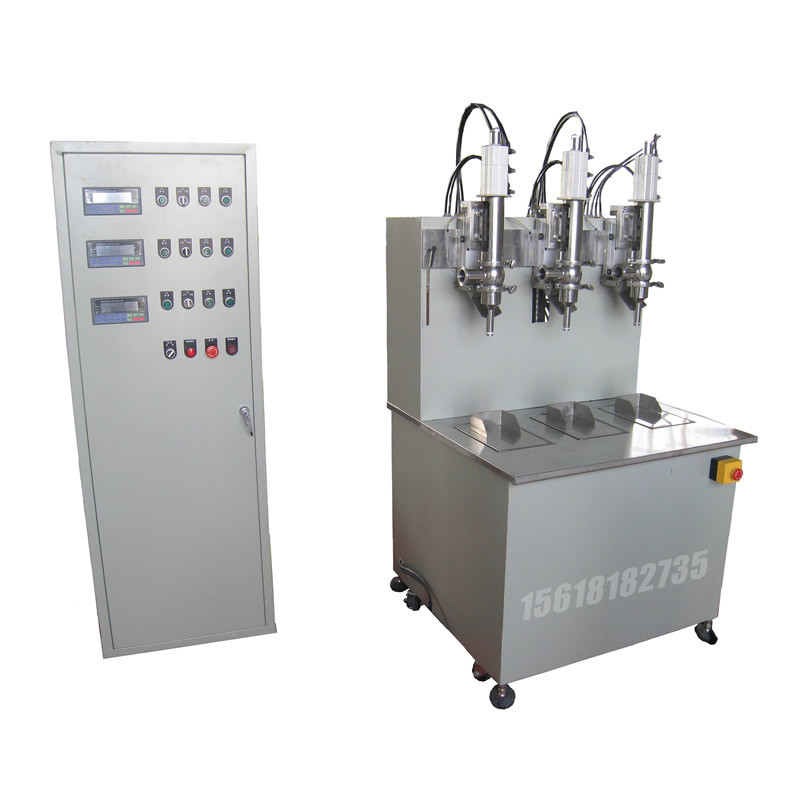
While hot filling, vacuum filling, and traditional liquid bottling systems serve mainstream packaging needs, they fail to accommodate heat-sensitive beverage products that lose flavor, nutrients, and activity under high temperatures. This exclusive Google SEO article focuses entirely on cold aseptic filling machines, a high-end sterile packaging solution never covered in our previous machine guides. Designed for ultra-clean, room-temperature filling with zero thermal processing, this equipment preserves product integrity while ensuring long shelf life without preservatives. Optimized for Google E-E-A-T guidelines, this 1000-word guide explains its working principle, unique advantages, industrial limitations, key applications, and professional selection tips for global food and beverage manufacturers.
Modern consumers increasingly demand clean-label beverages with natural nutrients, original flavor, and no artificial additives. Hot filling technology relies on high-temperature sterilization, which damages active substances in probiotic drinks, fresh juices, and protein beverages, causing flavor degradation and nutritional loss. Conventional room-temperature filling lacks sterile environmental control, leading to microbial contamination and short shelf cycles. Cold aseptic filling machines bridge this gap perfectly. By combining ultra-high-temperature instantaneous sterilization with fully sterile cold filling environments, they achieve preservative-free storage while retaining the original taste and nutritional activity of heat-sensitive products, becoming the premium standard for high-end beverage production.
Working Principle of Cold Aseptic Filling Machines
Cold aseptic filling adopts a two-stage sterile processing mechanism, completely different from integrated hot filling and ordinary atmospheric filling. The entire workflow separates material sterilization from filling operation to avoid thermal damage to products. First, liquid materials undergo UHT (ultra-high-temperature instantaneous sterilization) at 135℃ to 150℃ for 2 to 5 seconds, thoroughly eliminating bacteria and spores while minimizing nutrient loss caused by prolonged heating.
Immediately after sterilization, the liquid is rapidly cooled to room temperature or low temperature through a professional cold circulation system. All subsequent filling, capping, and conveying processes take place in a fully enclosed, positive-pressure sterile isolation chamber. The system continuously filters and purifies internal air to prevent external microbial intrusion. Automated sterile nozzles complete quantitative cold filling, followed by instant sterile capping and sealed packaging. All pipeline components and filling stations support automatic CIP and SIP cleaning, maintaining long-term sterile production standards for high-sensitive liquid products.
Core Advantages Over Hot Filling Systems
Cold aseptic filling technology delivers irreplaceable premium production strengths for heat-sensitive beverage manufacturing:
Complete Nutrient & Flavor Preservation. Short-time UHT sterilization and cold filling processing avoid thermal damage to vitamins, probiotics, proteins, and natural flavor compounds, restoring the pure original taste of fresh beverages.
Zero Preservative Clean-Label Production. The fully sterile enclosed environment eliminates microbial contamination risks, enabling 12 to 24 months of shelf life without any chemical preservatives, meeting global clean-label food trends.
Diversified Product Compatibility. It perfectly adapts to all heat-sensitive liquids that hot filling cannot process, including carbonated drinks, probiotic beverages, fresh cold-pressed juices, and high-protein nutritional drinks.
Improved Product Appearance & Quality. Cold filling avoids liquid discoloration, precipitation, and flavor deterioration caused by high-temperature processing, maintaining stable product color and texture for long-term market circulation.
Reduced Thermal Waste. Rapid cooling and cold operation reduce long-term high-temperature energy consumption and container thermal deformation rates, improving overall production yield.
Key Industrial Application Scenarios
Cold aseptic filling machines dominate high-end heat-sensitive beverage and liquid food industries:
Fresh Juice & Cold-Pressed Beverage Industry: Fresh fruit juice, vegetable juice, and cold-brew tea, retaining natural antioxidants and fresh flavor without thermal damage.
Probiotic & Functional Drink Industry: Lactic acid bacteria drinks, enzyme beverages, and immune-functional liquids, protecting biological activity of active ingredients.
Dairy & Protein Beverage Industry: Low-temperature milk drinks, plant protein beverages, and yogurt liquids, avoiding protein denaturation and layering issues.
Carbonated & Sparkling Drink Industry: Sparkling water, fruity carbonated beverages, and low-sugar soda drinks, preventing gas loss and flavor deterioration from high heat.
Technical Limitations & Selection Guidelines
Cold aseptic filling has clear application boundaries. It requires professional sterile cleanroom environments, high-standard filtration systems, and regular sterile verification, leading to higher equipment investment and operational costs than hot filling. It is unnecessary for heat-resistant ordinary beverages. Manufacturers should choose cold aseptic models for high-end heat-sensitive products and hot filling equipment for conventional juice and tea drinks to balance quality and cost.
Common Industry Misconceptions
Many manufacturers assume cold filling equals incomplete sterilization. In fact, UHT instantaneous sterilization achieves higher microbial elimination rates than conventional hot filling. Others believe aseptic cold filling has excessive operating complexity, but modern automated linkage systems integrate cleaning, sterilization, and filling processes to simplify daily operation.
Conclusion
Cold aseptic filling machines fill the market gap in high-end heat-sensitive beverage packaging, solving nutrient loss, flavor deterioration, and product denaturation defects of traditional hot filling technology. With sterile cold processing, zero preservative production, and full active ingredient retention, it supports high-quality manufacturing of functional, fresh, and probiotic beverages. For food manufacturers focusing on high-end product positioning, clean-label certification, and superior taste experience, cold aseptic filling systems are the most professional and competitive automated packaging solution.


