

Pressure Filling Machine: Pressurized Filler for Carbonated & Low-Flow Industrial Liquids
2026-08-17 08:39:31
admin
16
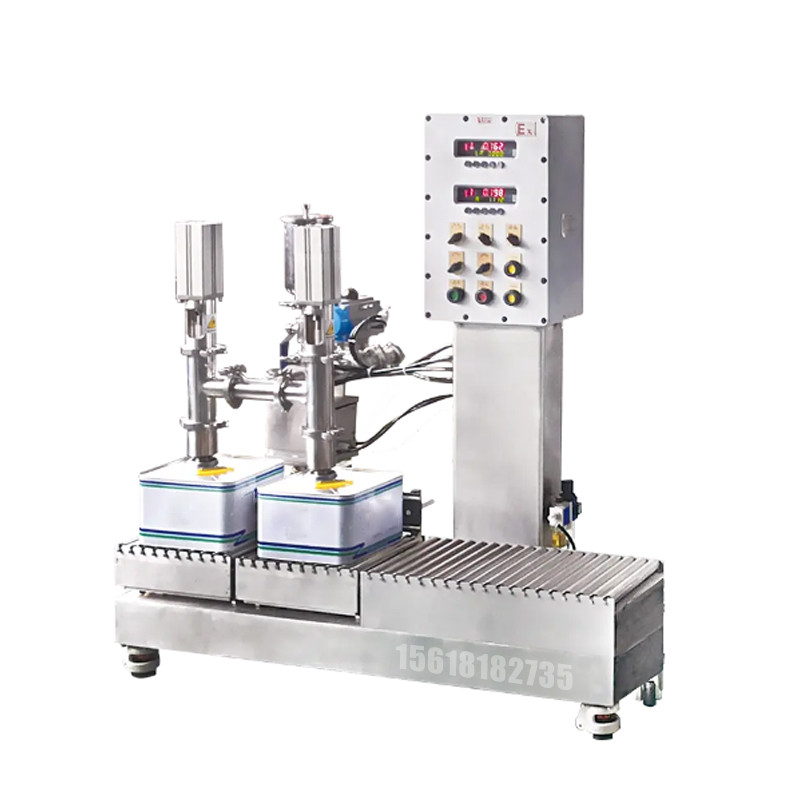
Standard gravity and vacuum filling machines fail to handle carbonated, low-fluidity, and pressure-dependent liquids, causing gas loss, uneven filling, and product quality degradation in beverage and industrial production. Most conventional fillers rely on natural flow or negative pressure, which cannot maintain stable internal pressure for aerated liquids, resulting in flat-tasting beverages and excessive product waste. This original Google E-E-A-T compliant SEO article focuses exclusively on pressure filling machines, a positive-pressure filling technology never covered in our previous equipment guides. By utilizing controlled positive air pressure to push liquid flow, this specialized filler preserves gas solubility, boosts filling efficiency for low-flow liquids, and delivers consistent batch quality. This 1000-word guide covers its working principle, core advantages, limitations, industrial applications, and professional purchasing tips for global manufacturers.
Carbonated drinks, sparkling beverages, and certain compressed industrial liquids pose unique packaging challenges for ordinary filling equipment. Gravity filling releases dissolved carbon dioxide rapidly, leading to foaming, overflow, and loss of product fizz. Vacuum filling disrupts internal liquid pressure balance, ruining the original taste and structural stability of aerated products. Additionally, slightly viscous low-flow liquids move too slowly via natural gravity, severely limiting production output. Pressure filling machines resolve these industry pain points comprehensively. With precision positive-pressure control systems, they stabilize internal tank pressure, accelerate liquid transfer, and lock in gas composition, making them the standard equipment for carbonated beverage and pressure-sensitive liquid mass production.
Working Principle of Pressure Filling Machines
Pressure filling machines adopt positive-pressure forced flow technology, featuring a working mechanism completely different from gravity, vacuum, and pump filling systems. Core components include a sealed pressure material tank, air pressure regulating valve, pressure sensor, anti-foam filling nozzles, and PLC constant-pressure control system. The entire filling process operates under stable customized positive pressure rather than relying on natural fluid movement.
Before production starts, the system injects quantitative compressed air into the sealed storage tank to build stable positive pressure, matching the internal pressure of liquid materials to lock dissolved gas and prevent volatilization. When filling begins, pressure difference between the tank and container pushes liquid steadily into bottles at a controlled flow rate. The pressure sensor monitors real-time internal pressure and automatically supplements air volume to avoid pressure attenuation during continuous operation. A dual-speed filling program ensures fast pressure feeding for efficiency and low-pressure fine filling to eliminate foam and overflow. Once filling volume reaches the preset standard, the nozzle closes instantly, and residual pressure is balanced gently to prevent liquid backflow and gas loss.
Core Advantages Over Traditional Fillers
Professional positive-pressure filling technology delivers exclusive strengths for pressure-sensitive liquid production:
Complete Gas Preservation. Balanced positive-pressure environment locks dissolved carbon dioxide and active gas components, preserving beverage fizz, taste, and product consistency without aeration loss.
Improved Low-Flow Liquid Efficiency. For slightly viscous liquids that flow slowly under gravity, pressurized propulsion significantly boosts filling speed, greatly enhancing overall production line capacity.
Minimal Foam & Overflow. Regulated pressure difference and optimized nozzle structure stabilize liquid flow, suppressing excessive foaming and reducing material waste during high-speed filling.
Stable Batch Pressure Consistency. Intelligent real-time pressure calibration eliminates pressure fluctuations caused by continuous feeding, ensuring uniform filling status for every production batch.
Strong Product Adaptability. Adjustable pressure parameters support flexible switching between carbonated drinks, low-flow syrups, and pressure-stable industrial liquids, meeting diverse production needs.
Key Industrial Application Scenarios
Pressure filling machines are professionally deployed for gas-containing and pressure-stable liquid production:
Carbonated Beverage Industry: Soda water, sparkling drinks, carbonated fruit beverages, and aerated energy drinks, perfectly retaining product gas content and taste.
Fermented Drink Industry: Craft beer, sparkling wine, and fermented aerated beverages, protecting delicate fermentation flavors and gas solubility.
Beverage Raw Material Processing: Low-flow concentrated syrup and pressurized beverage base liquids, improving filling efficiency for slow-flow raw materials.
Special Industrial Liquid Packaging: Pressure-stable chemical solutions and aerated cleaning liquids that require balanced internal pressure during filling.
Technical Limitations & Selection Guidelines
Pressure filling machines have clear application boundaries. They are not suitable for gas-free ultra-thin liquids or high-viscosity solid pastes that cannot adapt to pressure propulsion. Overly high pressure may cause container deformation for thin plastic bottles, requiring customized pressure parameter matching. Manufacturers focusing on carbonated and low-flow liquid production should prioritize pressure filling models for optimal performance.
Common Industry Misconceptions
Many buyers assume pressure filling causes excessive liquid splashing. In fact, modern differential pressure control ensures gentle and stable flow without turbulence. Others believe pressurized systems require complex maintenance, but modular pressure regulation structures simplify daily inspection and parameter adjustment for factory operators.
Conclusion
Pressure filling machines fill the market gap in pressure-sensitive and carbonated liquid packaging, solving gas loss, low efficiency, and severe foaming issues of traditional gravity and vacuum fillers. With precise constant-pressure control, excellent gas preservation, improved low-flow liquid efficiency, and stable batch quality, it provides a professional and reliable solution for aerated beverage and special industrial liquid manufacturers. For enterprises pursuing high-quality carbonated product output and stable high-speed mass production, pressure filling machines are an irreplaceable, cost-effective long-term automated packaging investment.


