

Gravity Filling Machine: Low-Cost, Stable Liquid Filling for Free-Flowing Industrial Liquids
2026-08-26 08:28:20
admin
14
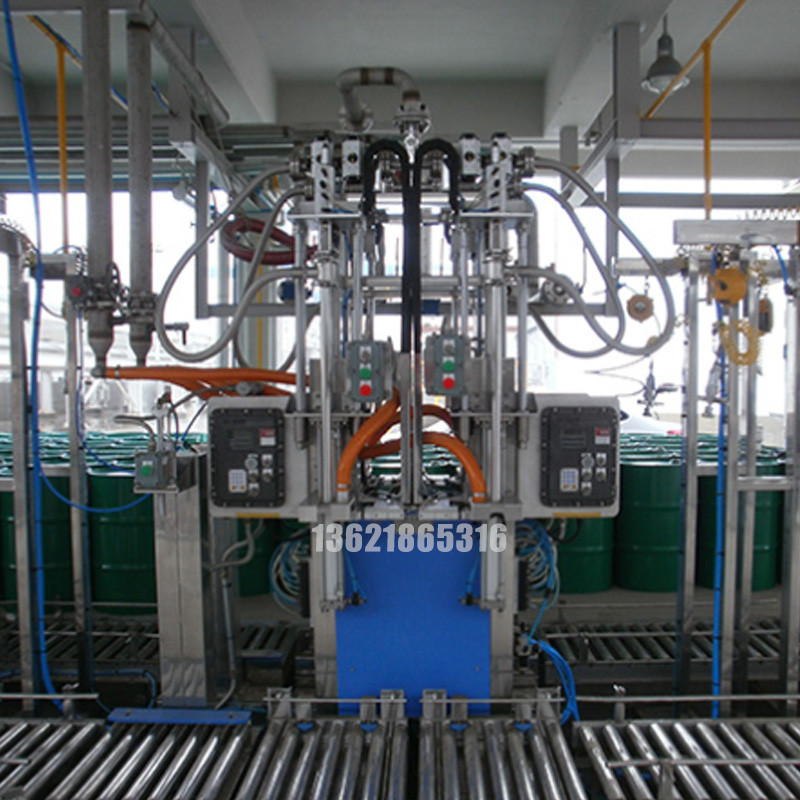
Many modern industrial filling solutions rely on complex pumps, sensors, or weighing systems that bring high purchase costs, tedious maintenance, and frequent calibration requirements. High-precision volumetric, peristaltic, and net weight fillers excel in sophisticated scenarios but are overqualified and uneconomical for standard free-flowing liquid production. Factories producing daily chemicals, drinking water, and common beverage liquids often face unnecessary equipment investment waste and complicated daily debugging. Complicated mechanical structures also increase failure rates and production downtime for regular low-viscosity liquid filling. This Google E-E-A-T compliant SEO article focuses exclusively ongravity filling machines, a simple, reliable, and cost-effective liquid filling solution never covered in previous guides, designed for stable, low-maintenance industrial quantitative filling.
A gravity filling machine is a traditional yet highly practical liquid filling device that utilizes natural gravitational flow to complete quantitative container filling. Unlike pump-driven or pressure-based filling equipment, it abandons complex power conveying structures and relies purely on liquid gravity and timed flow control for dosing. Equipped with high-precision flow control nozzles, automatic timed switching systems, level sensing modules, and high-capacity liquid storage tanks, it realizes fully automated free-flow liquid filling. It is specially optimized for low-viscosity, non-settling, and bubble-free free-flowing liquids. Featuring ultra-simple mechanical design, zero wearing vulnerable parts, and extremely low failure rate, it has become the most cost-effective mainstream filling equipment for standardized mass production of conventional liquid products.
Working Principle of Gravity Filling Machines
Gravity filling equipment adopts natural gravity flow and timed quantitative control technology, featuring a purely physical filling mechanism completely different from pressure, piston, or sensor metering systems. Core components include elevated liquid storage tanks, anti-leakage filling nozzles, electromagnetic flow switches, timed control modules, photoelectric container sensors, and liquid level balance systems.
During continuous operation, the elevated storage tank maintains stable liquid pressure and height difference to ensure consistent gravity flow speed. After photoelectric sensors detect qualified containers in place, the system automatically opens the filling nozzle valve. Liquid flows down steadily through gravity into the container at a constant rate. The intelligent timing module precisely controls the opening duration of each nozzle to fix the filling volume of every single container. When reaching the preset filling time, the valve closes instantly to stop liquid outflow. The built-in liquid level balance system automatically supplements raw materials to maintain stable tank pressure, avoiding volume errors caused by insufficient liquid height. The whole physical filling process requires no mechanical extrusion or electric pumping, ensuring ultra-stable and smooth liquid output.
Core Industrial Advantages
Professional pure gravity physical filling design delivers unique practical industrial strengths:
Ultra-Low Equipment & Maintenance Cost. Without complex pumps, sensors, or transmission structures, the machine features low purchase cost, affordable spare parts, and almost zero daily maintenance workload, greatly reducing long-term operational expenses.
Zero Liquid Shear & No Ingredient Damage. Natural gravity flow avoids violent liquid agitation and shear force, protecting original liquid properties and preventing emulsification or ingredient decomposition.
Extremely High Operational Stability. Simple mechanical structure minimizes equipment failures, supporting long-hour uninterrupted production and effectively reducing production downtime and defective rates.
Fast Production Speed. Unobstructed gravity flow and multi-nozzle parallel filling support high-speed assembly line operation, with higher comprehensive efficiency than many complex precision filling devices.
Easy Operation & Flexible Adjustment. Intuitive timed parameter adjustment allows workers to quickly switch filling volumes, adapting to multi-specification production without professional technical debugging.
Key Industrial Application Scenarios
Gravity filling machines dominate standard free-flowing liquid filling scenarios across industries:
Beverage Industry: Purified water, mineral water, plain tea drinks, and non-carbonated fruit juices with stable low-viscosity properties.
Daily Chemical Industry: Disinfectant, pure water-based cleaning agents, floral water, and transparent care liquids with good fluidity.
Light Chemical Industry: Low-viscosity solvent liquids, diluted chemical solutions, and industrial purified water for daily factory use.
Food Processing Industry: Edible vinegar, light syrup, and low-concentration seasoning liquids requiring stable and clean filling.
Technical Limitations & Selection Guidelines
Gravity filling machines have clear application boundaries. They are only suitable for low-viscosity free-flowing liquids and cannot handle thick pastes, high-viscosity oils, or liquids with suspended particles. They cannot meet ultra-high-precision micro-dosing requirements for high-end pharmaceutical and reagent products.
Common Industry Misconceptions
Many manufacturers believe gravity filling has low accuracy. Modern precise timed control and constant pressure balance technology ensure stable filling errors within industrial standard ranges, fully meeting daily batch production requirements. Others think simple equipment has poor performance; its streamlined structure delivers higher stability and fewer failures than complex multi-component filling systems.
Conclusion
Gravity filling machines solve the pain points of high cost, complex maintenance, and excessive functional redundancy of modern precision filling equipment for conventional free-flowing liquids. With ultra-high stability, zero ingredient damage, low operational costs, and flexible volume adjustment, it perfectly matches mass production demands for water, daily chemicals, and common food liquids. For enterprises pursuing stable batch quality, low failure rates, and refined production cost control, the gravity filling machine is the most practical, cost-effective, and reliable standard liquid filling solution.


