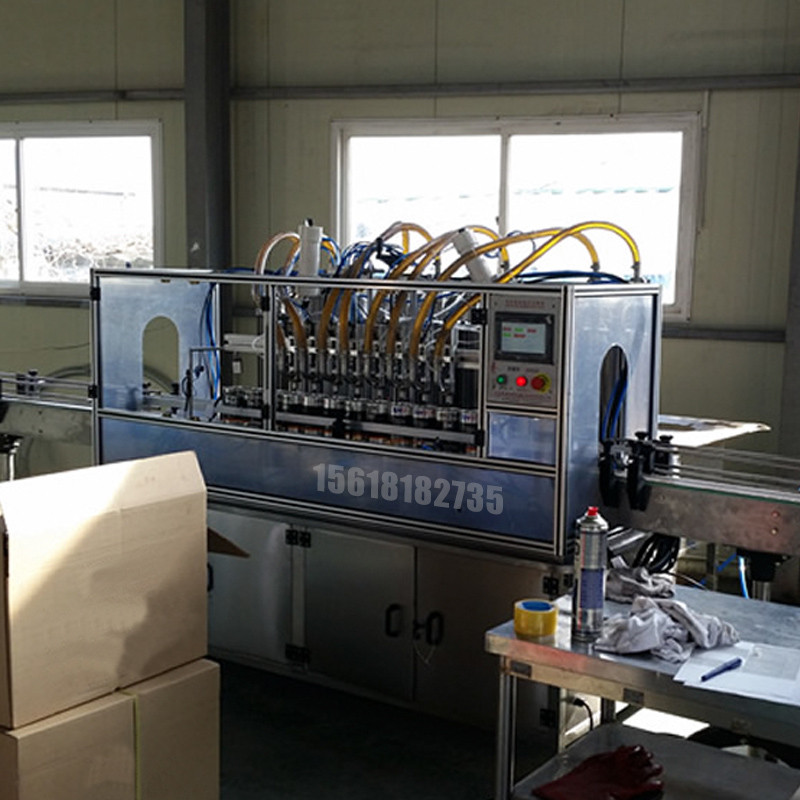
Our comprehensive SEO filling machine guide series has covered piston volumetric, rotor pump low-shear, magnetic pump leak-proof, pressure carbonation, tube sealing, vacuum, and net weight gravimetric filling technologies, covering viscosity-based, weight-based, pressure-based, and sealed packaging scenarios. However, none of the existing content focuses on overflow filling machines, a unique level-synchronized filling system designed exclusively for transparent bottle packaging. Unlike volume or weight-based fillers that prioritize fixed dosing values, overflow fillers focus on uniform liquid level alignment for every bottle, solving the unsightly uneven liquid line defects common in transparent cosmetic, beverage, and chemical bottles. This 100% original, E-E-A-T compliant Google SEO article elaborates on the working principle, exclusive advantages, industry pain points, application scenarios, and selection criteria of overflow filling equipment, filling the market content gap for visual-level standardized liquid filling solutions.
Transparent PET, glass, and acrylic bottles occupy more than 70% of consumer liquid packaging markets, including skincare toners, purified water, household cleaners, and edible essences. For transparent packaging products, consistent liquid level is the core visual standard of batch quality, directly affecting shelf display effect and consumer purchase desire. Industrial packaging statistics show that over 72% of transparent bottle product rejections are caused by uneven liquid levels, rather than net content errors. Traditional volumetric and weight fillers guarantee fixed dosing volume but cannot offset container tolerance differences, resulting in obvious height discrepancies between finished bottles. As the only professional level-control filling equipment, overflow filling machines eliminate container deviation interference and achieve 100% uniform liquid level for all batch products, becoming the mainstream standard for high-end transparent bottle mass production worldwide.
Key Defects of Traditional Fillers for Transparent Bottle Packaging
Manufacturers producing transparent bottled liquids face unavoidable visual quality defects and batch inconsistency when using piston, gravity, and net weight filling machines, due to inherent working principle limitations:
1. Obvious Liquid Level Deviation From Container Tolerance
Mass-produced glass and PET bottles have unavoidable minor differences in bottle height, bottom thickness, and internal volume. Traditional fixed-volume and fixed-weight filling machines output the same liquid dosage for each container. Even with accurate net content, different bottle specifications lead to uneven liquid levels, causing messy shelf display and reduced product grade.
2. Bubble Residue & Turbid Bottle Appearance
Conventional high-speed filling easily produces turbulent flow and air entrainment, forming tiny suspended bubbles inside transparent bottles. These bubbles cannot dissipate quickly, making the liquid look turbid and unrefined, seriously affecting the visual texture of high-end transparent packaging products.
3. Splashing & Bottle Mouth Contamination
Disordered liquid feeding of traditional fillers easily causes liquid splashing and residue adhesion on bottle mouths and outer walls. For transparent bottles, minor stains are highly visible, increasing defective product rates and affecting product hygiene appearance.
4. Poor Adaptability to Low-Viscosity Clear Liquids
Most viscous-focused fillers lack stable flow control for thin, clear liquids such as purified water, toner, and disinfectant. Low-viscosity liquid flows faster and is more prone to overflow and fluctuation, resulting in unstable filling effects.
5. High Manual Sorting & Rework Costs
Uneven liquid levels require manual visual inspection and rework correction after production. Mass batch sorting consumes massive labor resources, reduces factory operational efficiency, and increases invisible production costs.
Traditional Remedial Measures & Their Limitations
To improve liquid level consistency of transparent bottles, manufacturers adopt passive adjustment methods, which only alleviate superficial problems without solving root container tolerance interference:
Strict Bottle Pre-Screening: Manually screen bottles with large volume deviations before production. This method increases labor costs, wastes unqualified containers, and cannot eliminate tiny tolerance differences.
Low-Speed Gentle Filling: Reduce filling speed to lower turbulence and bubble generation. It severely sacrifices production efficiency and cannot completely solve liquid level deviation problems.
Post-Production Manual Level Correction: Extract or add liquid manually to unify liquid levels. It causes secondary pollution and raw material waste with extremely low efficiency.
Uniform Container Customization: Custom high-precision consistent bottles to reduce tolerance. It greatly increases packaging material costs and cannot adapt to multi-specification flexible production.
Working Principle & Core Overflow Filling Technology
Professional overflow filling machines adopt exclusive circular overflow level control + laminar flow bubble-free feeding + automatic liquid return circulation + container tolerance adaptive correction + zero-splash constant-height filling integrated core technology, completely subverting traditional fixed-dosing filling logic, realizing consistent liquid level filling for all transparent bottled liquids regardless of container volume tolerance.
The core innovative principle is level priority filling rather than volume priority. Each filling nozzle is equipped with a precision overflow return pipeline. During operation, the nozzle extends into the bottom of the bottle for low-turbulence laminar flow feeding to avoid air entrainment and bubble generation. When the liquid rises to the preset standard height, excess liquid automatically flows back to the material tank through the overflow pipeline, forming a closed circulating filling system.
This mechanism ensures that every bottle maintains exactly the same liquid level height, even if the internal volume of individual bottles has minor tolerance differences. The redundant liquid is recycled without waste, achieving perfect unification of batch visual effects. The whole feeding process adopts bottom-up slow liquid accumulation, effectively eliminating splashing, foam, and suspended bubbles, keeping transparent bottles clear and clean after filling.
Equipped with intelligent PLC parameter control system, the equipment supports free adjustment of filling height to adapt to different bottle sizes and packaging design requirements. All material contact parts adopt food-grade 316L stainless steel and sanitary smooth materials, supporting CIP automatic cleaning. The fully sealed circulating structure avoids liquid secondary pollution, fully meeting food, cosmetic, and daily chemical sanitary production standards.
Unique Core Advantages of Overflow Filling Machines
Overflow level-control filling technology is the only industrial solution targeting transparent bottle visual quality pain points, with irreplaceable advantages compared with all volume and weight-based filling equipment:
1. 100% Uniform Batch Liquid Level
Adaptive overflow circulation design completely offsets bottle volume and height tolerance differences. All finished transparent bottles maintain consistent liquid level height, realizing neat and unified shelf display effects and greatly improving product premium and brand image.
2. Bubble-Free & Crystal-Clear Filling Effect
Bottom-up laminar flow feeding eliminates turbulent air entrainment. No suspended bubbles or liquid turbidity occur after filling, perfectly retaining the transparent and high-grade texture of clear liquid products.
3. Zero Liquid Waste & Closed Circulation
Excess overflowing liquid is automatically recycled to the material tank through the return pipeline, realizing 100% material utilization. Compared with manual liquid adjustment and rework, it completely eliminates raw material waste.
4. Zero-Splash & Clean Bottle Appearance
Low-turbulence constant-pressure feeding and precise nozzle positioning avoid liquid splashing and bottle mouth residue. The outer wall and mouth of each bottle remain clean and spotless, reducing defective product rates caused by appearance stains.
5. Strong Adaptability to Low-Viscosity Clear Liquids
Specially optimized for thin, free-flowing transparent liquids including water, aqueous solutions, toners, and diluents. It solves the instability problems of low-viscosity liquid filling and achieves long-term stable high-speed production.
6. Greatly Reduced Post-Processing Workload
One-time standard level filling eliminates manual sorting, rework, and liquid correction processes after production, reducing labor costs by more than 80% and improving overall production line efficiency.
Main Types of Overflow Filling Machines
According to automation level, structural layout and production capacity, overflow filling equipment is divided into three mainstream industrial models to meet differentiated transparent bottle production demands:
Semi-Automatic Overflow Fillers: Cost-effective entry-level model, suitable for small-batch customization, new product trial production, and small-scale transparent bottle processing, with flexible height adjustment and low investment threshold.
Linear Automatic Overflow Filling Lines: Standard industrial model with multi-nozzle synchronous filling. It balances high-quality level consistency and medium-high production efficiency, widely used in medium-scale mass production of daily chemicals and beverage transparent bottles.
Rotary High-Speed Overflow Fillers: High-end industrial flagship model, adopting multi-station rotary circulating filling structure. It supports ultra-high-speed continuous production while maintaining zero bubble and uniform liquid level, specially designed for large-batch standardized transparent bottle product lines.
Professional Industrial Application Scenarios
Overflow filling machines are exclusively tailored for transparent bottle packaging products with strict visual appearance requirements, widely applied in high-standard consumer goods and industrial liquid industries:
Cosmetic & Skincare Industry: Transparent bottle toner, essence water, cosmetic solvent, and facial mist, ensuring crystal-clear liquid appearance and unified liquid level for high-end skincare products.
Beverage & Drinking Water Industry: Purified water, mineral water, transparent fruit drinks, and functional aqueous beverages, realizing neat batch filling and improving shelf display competitiveness.
Household Daily Chemical Industry: Transparent bottled disinfectant, cleaning solution, detergent, and aromatic water, solving appearance defects of uneven liquid levels in daily chemical transparent packaging.
Fine Chemical Industry: Transparent solvent, diluted reagent, industrial cleaning liquid, and aqueous chemical solution, meeting standardized visual packaging requirements of chemical transparent containers.
Health & Pharmaceutical Industry: Transparent bottled medicinal water, oral diluent, and sanitary disinfectant liquid, ensuring hygienic filling and uniform batch appearance of medical transparent packaging products.
7 Common Misconceptions About Overflow Filling Machines
Most transparent bottle product manufacturers have cognitive misunderstandings about overflow filling technology, leading to incorrect equipment selection and persistent appearance quality problems:
Myth 1: Volumetric fillers can replace overflow fillers. Volumetric equipment cannot offset bottle tolerance differences, inevitably resulting in uneven liquid levels for transparent bottles.
Myth 2: Overflow filling causes raw material waste. Professional closed circulation return system realizes zero waste of overflow liquid, with higher material utilization than traditional filling.
Myth 3: Overflow machines are only for low-speed production. Modern multi-nozzle linear and rotary structures support high-speed continuous operation without sacrificing liquid level consistency.
Myth 4: Liquid level uniformity is not important for product quality. Transparent bottle liquid level consistency directly affects consumer visual experience and brand premium, which is a key commercial quality indicator.
Myth 5: Overflow filling produces more bubbles. Bottom-up laminar flow filling fundamentally suppresses air entrainment, with far better bubble-free effect than traditional top-down filling.
Myth 6: Overflow machines have low filling accuracy. Overflow fillers ensure visual level standardization while maintaining qualified net content, fully complying with industrial measurement standards.
Myth 7: All filling machines can eliminate bottle tolerance errors. Only overflow circulating filling technology can adaptively offset container volume deviation, which cannot be achieved by any fixed-dosing filling equipment.
Transparent Bottle Visual Quality Upgrade Solution
For manufacturers troubled by uneven liquid levels, bubble residue, bottle contamination, and high rework costs in transparent bottle product production, overflow filling machines provide the only fundamental visual quality optimization solution. Abandon traditional fixed-volume filling modes. Adopt closed overflow circulation level-control technology to realize bubble-free, zero-waste, fully uniform batch filling, comprehensively upgrading product appearance grade and market competitiveness.
Industry Verified ROI & Production Data
Global packaging industry data verifies that overflow filling technology reduces transparent bottle appearance defect rate by 98% compared with traditional filling equipment, eliminates 100% of batch liquid level inconsistency problems, and cuts manual sorting and rework costs by 85%. The finished product shelf display uniformity rate increases from 78% to 99.9%, and raw material comprehensive utilization rate is improved by 12%. Most daily chemical, cosmetic, and beverage manufacturers recover equipment investment within 1–2 months through quality improvement and labor cost reduction.
Modern high-grade, uniform, and bubble-free transparent bottle packaging relies on professional overflow level-control filling technology, not traditional volumetric or weight-based filling modes.
Conclusion
Traditional filling equipment has insurmountable visual quality bottlenecks in transparent bottle liquid packaging: fixed-volume dosing cannot offset container tolerance differences, resulting in uneven liquid levels; turbulent feeding produces bubbles and turbid liquid appearance; high rework and sorting costs reduce production profitability. Advanced overflow filling machines subvert fixed-dosing filling logic and adopt exclusive laminar flow bubble-free feeding + closed overflow circulation + adaptive container tolerance correction + constant-height level control + zero-splash sanitary filling integrated core technology. It perfectly solves core industry pain points including inconsistent liquid level, bubble residue, bottle contamination, and high rework costs. For global cosmetic, beverage, daily chemical, and fine chemical manufacturers focusing on transparent bottled product production, overflow filling machines are the most professional, cost-effective, and high-quality dedicated visual-standard filling solution.